Skilled Siding Services: Preserving Your Home While Elevating Its Aesthetic
Skilled siding contractors offer two key functions: they defend properties against environmental factors and improve aesthetic value. As properties get older, signs like cracks and moisture buildup suggest the importance of prompt siding replacement. Choosing quality materials tailored to specific climates can greatly impact lasting strength and energy savings. Professional installation remains an absolute necessity. Recognizing these considerations is crucial for residents thinking about an improvement. Which elements should homeowners consider before committing to this investment?
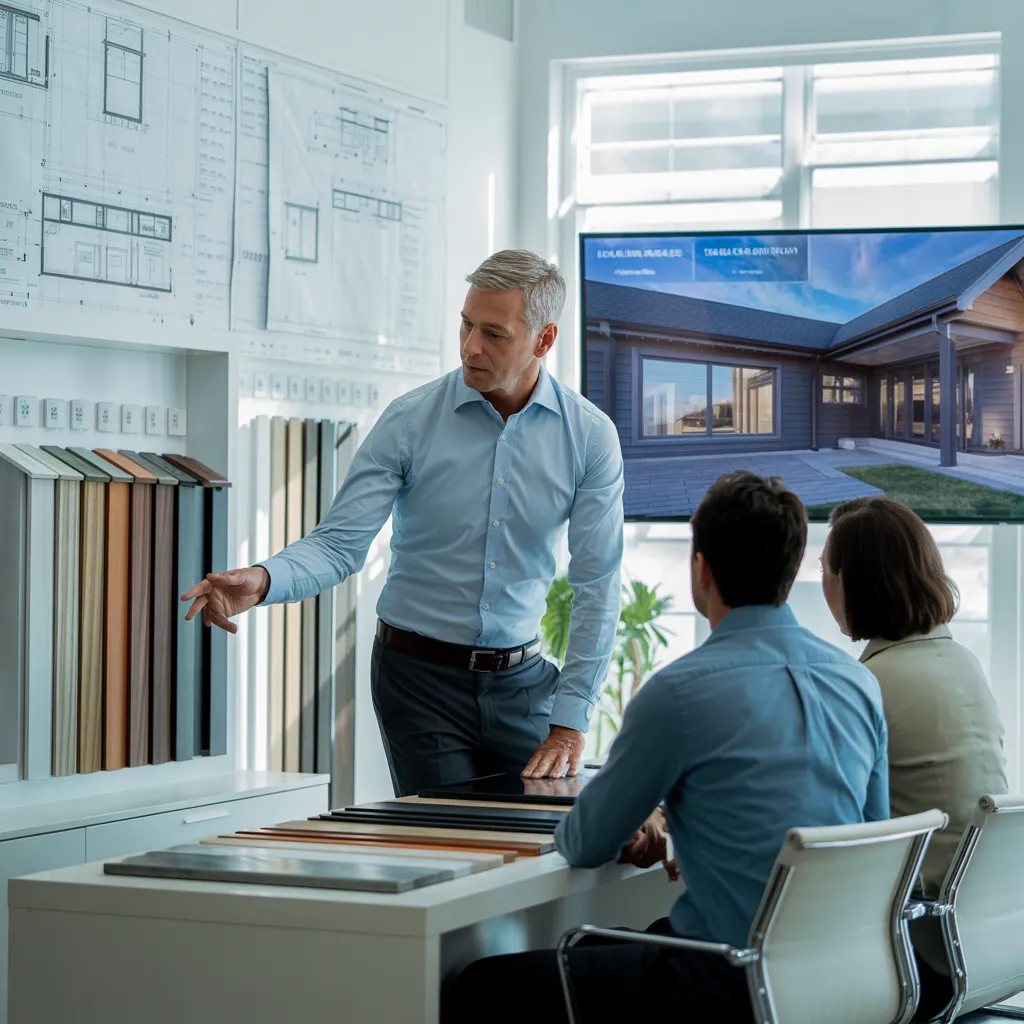
Key Signs It's Time for New Siding?
At what point should homeowners think about replacing their siding? There are several key signs that homeowners should watch for that suggest siding replacement is needed. Noticeable damage, including cracks, warping, or peeling paint, can undermine the exterior's structural integrity and visual appeal. Additionally, the presence of moisture or mold can suggest underlying issues that may lead to costly repairs if left unaddressed. Unexpected increases in energy bills may be a sign of inadequate insulation resulting from aging siding, making it necessary to reassess the home's exterior. Moreover, age plays an essential role; most siding materials have a lifespan of 20 to 30 years. Lastly, if outside noise levels seem to be increasing indoors, it could be an indication that upgrading to a more sound-resistant siding is warranted. Catching these warning signs early on can support the home's structural safety and curb appeal while minimizing the risk of future problems.
Why Quality Siding Matters for Your Home
Quality siding serves a critical function in a home's total performance and curb appeal. It enhances energy efficiency by providing better insulation, which can lead to lower utility bills. In addition, superior siding significantly enhances curb appeal, leaving the property more eye-catching to future buyers and onlookers.
Energy Efficiency Benefits
Energy efficiency is a fundamental element of today's residential design, and the selection of siding is a key factor in achieving it. Premium siding options, such as insulated vinyl or fiber cement, offer exceptional thermal insulation, helping to keep indoor temperatures stable. This reduces reliance on heating and cooling systems, ultimately leading to reduced energy costs. Additionally, well-installed siding minimizes air leaks, further strengthening a home's insulation. Residents who select superior siding products not only boost their property's insulation value but also support environmental sustainability by decreasing their carbon footprint. Ultimately, choosing quality siding is essential for improving residential energy performance, making it a smart investment for long-term comfort and savings.
Curb Appeal Upgrades
Although siding selection might appear to be a small consideration, it significantly influences a home's general visual appeal. Quality siding can transform an ordinary house into an inviting residence, enhancing its aesthetic appeal and reflecting the homeowner's style. Various materials, shades, and finishes enable customization, allowing property owners to develop a distinctive appearance that sets their home apart. Furthermore, properly kept siding can boost a home's market value, making it an essential investment. Many home purchasers commonly value curb appeal, and quality siding can be a deciding factor. At the end of the day, picking the perfect siding both shields the building and amplifies its appeal, making it a crucial component in achieving a beautiful, welcoming home.
Selecting Siding Materials: Factors to Consider
Choosing the right siding materials is vital for enhancing a home's aesthetic appeal and durability. Homeowners should consider several factors when making this decision. Above all, climate serves as a crucial consideration; choices such as vinyl or fiber cement are often ideal for locations that experience severe weather conditions, while wood siding can offer charm in temperate climates.
Furthermore, maintenance requirements vary; certain materials need periodic painting or staining, while others require little to no upkeep. Budget is also a key factor; choices span from affordable vinyl to premium natural wood or stone.
Energy efficiency must also be evaluated, as some materials offer superior insulation, potentially lowering energy bills. Finally, homeowners must take into account their residence's architectural character to ensure that the siding enhances its overall aesthetic. By taking all of complete guide these aspects into account, homeowners are able to choose siding materials that improve both aesthetics and durability.
Benefits of Hiring Professional Siding Installers
Opting for professional siding installers can substantially elevate the durability and quality of a home's exterior. These skilled contractors carry a depth of knowledge, ensuring that the project is completed to the highest standards. Their specialized knowledge allows them to manage potential complications, such as misaligned panels or inadequate weatherproofing, which can result in expensive repairs in the future.
Moreover, experienced installers are armed with the right equipment and supplies, which can greatly minimize installation time and improve the overall finish. They also remain informed about local building codes and regulations, guaranteeing compliance and reducing the chance of fines or additional work.
Additionally, working with professional contractors often includes assurances on both materials and labor, giving homeowners a sense of security. This measure of reassurance, alongside the visual and practical benefits of expert workmanship, underscores the value of trusting skilled professionals with siding projects.
Boosting Curb Appeal With Siding Solutions
Choosing the perfect siding can greatly elevate a home's aesthetic appeal. Color options, coupled with various finishes and materials, enable homeowners to develop a distinctive look that embodies their personal style. By evaluating these aspects, individuals can convert their property into a stunning and inviting space.
Why Color Choices Matter
How can the right color transform a home's exterior? The decision regarding siding color plays a major role in a home's curb appeal, establishing the foundation for its overall appearance. Lighter tones have the ability to make a space feel more open and welcoming, while richer colors can suggest sophistication and class. Bold colors capture the eye, helping a home distinguish itself within the neighborhood, while muted tones offer a classic, timeless look. Additionally, the right color can harmonize with landscaping and architectural features, creating a cohesive appearance. Homeowners should consider their personal style, local climate, and neighborhood trends when selecting colors. In the end, carefully considered color selections not only elevate a home's beauty but also express the homeowner's character, making the property feel inviting and cared for.
Material And Texture Options
Diverse texture and material selections can greatly enhance a home's exterior appearance, offering homeowners the opportunity to make a distinctive statement. Siding materials such as vinyl, wood, and fiber cement all offer distinct visual characteristics and long-lasting performance. Vinyl siding, known for its low maintenance, is offered in a range of textures designed to replicate natural surfaces. Wood siding, while requiring more upkeep, adds timeless warmth and elegance, available in smooth or rough-hewn finishes. Fiber cement siding merges the advantages of multiple materials, delivering strength and an array of textures, from stucco to wood grain. These selections empower homeowners to personalize their property's facade, improving both the visual charm and market value of the home. Selecting the right combination can transform any home into a stunning masterpiece.
Key Maintenance Tips to Ensure Long-Lasting Siding Performance
Regular maintenance is vital for guaranteeing the longevity and performance of home siding. Homeowners should begin by cleaning the siding at least twice a year to eliminate grime, mold, and accumulated debris. A low-pressure washer or a soft-bristled brush with a gentle cleanser can effectively maintain its appearance without causing damage. Checking the siding for splits, distortions, or unsecured panels is important; resolving these concerns quickly can avert more serious complications. In addition, homeowners should secure proper drainage around the foundation to avoid water damage. Using a quality sealant can improve resilience, especially for wooden siding. It is equally recommended to refinish or restain every couple of years, as this safeguards against environmental exposure. Finally, regular checks on caulking around windows and doors will guarantee airtight seals, decreasing energy consumption and enhancing the siding's longevity. These forward-thinking practices support both the visual appeal and structural integrity of the siding.
Questions We Often Receive
What Is the Typical Duration of a Siding Installation?
The siding installation process usually takes anywhere from one to three days, according to the project's size and overall complexity. Factors like weather conditions and the type of siding chosen may also impact the total time needed for completion.
What Costs Are Involved in Replacing Siding?
The cost of siding replacement varies considerably, typically ranging from $5,000 to $15,000 depending on materials, labor, and home size. Property owners need to account for extra costs, like the disposal of previous siding materials and possible repairs to the underlying structure.
Can New Siding Be Installed Over Existing Siding?
Indeed, it is possible to install new siding over old siding, but it is essential to ensure the foundational structure is in good condition. Proper insulation and moisture barriers are important for preventing potential issues like rot or mold.
What Types of Warranties Are Offered for Siding Products?
A variety of siding products come with warranties that range considerably, typically protecting against material defects for periods ranging from 20 to 50 years. Installation warranties may also be available, ensuring workmanship for a defined period, often ranging from one to ten years.
What Is the Best Way to Pick a Siding Color That Matches My Home?
To choose a siding color that enhances a home, homeowners should evaluate the style of the architecture, surrounding outdoor scenery, and adjacent properties. Testing samples makes it easier to picture the possibilities, while consulting color wheel tools improves how decisions are made.